• Have you ever been given an assignment—whether for work, school, or just life in general—and you instantly have brain fog? That’s been me this week.

    Every week I juggle at least five different projects that require writing, and this week’s blog post had me completely stumped. So, I did what any normal person would do: I doom-scrolled for about twenty minutes.

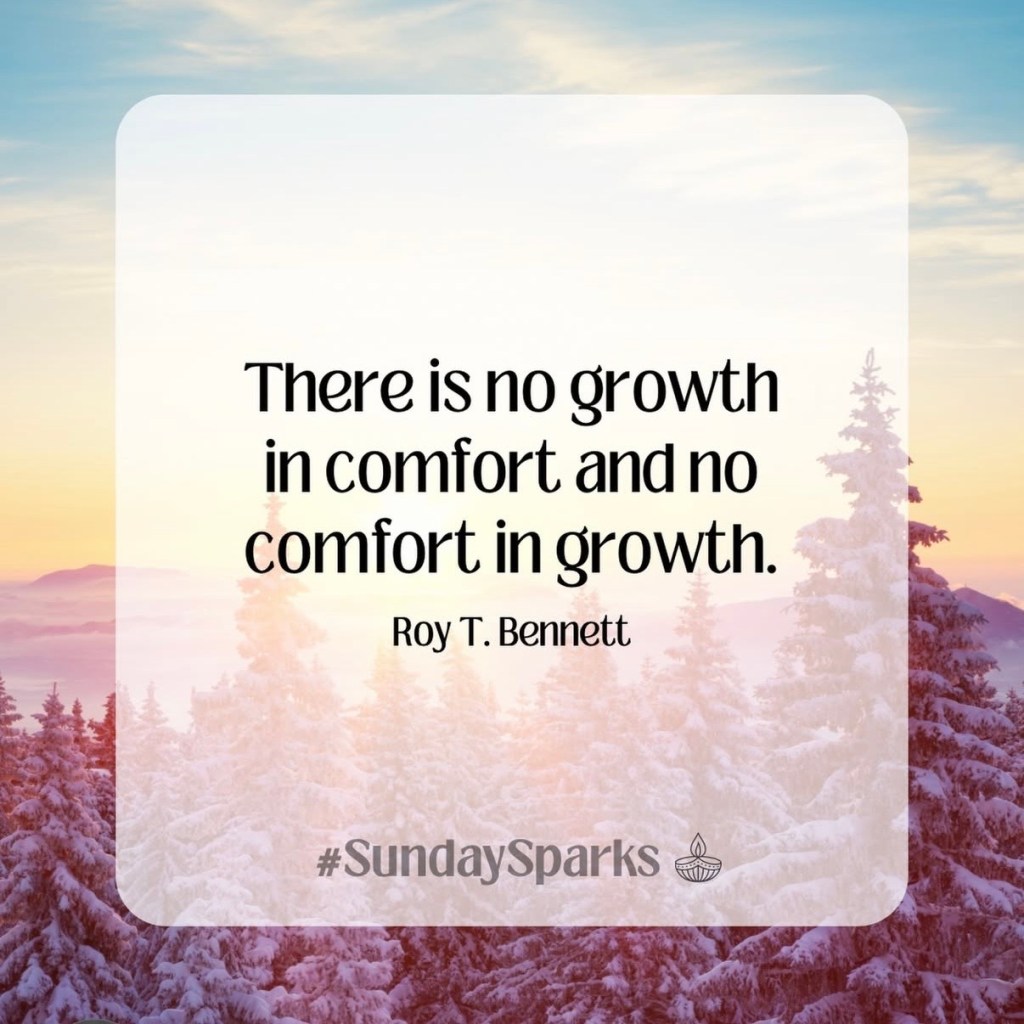
    Then I landed on my sister’s Instagram post. She shared a quote by Roy T. Bennett that stopped me in my tracks:

    https://www.instagram.com/the_clean_read_book_club/

    If that isn’t a lesson I’ve learned in my 47 years of life, I don’t know what is.

    Let me tell you a little about me before I share a story. I love learning new things—but with new things comes fear. Fear of failure. Fear of success. Fear of looking stupid. Fear of getting hurt. Fear of the unknown. The list could go on forever.

    Most of the time, I try new things in what I call a reasonably scary way. Is that a thing? It is in my brain—just go with it. I like stepping outside my comfort zone but still staying within boundaries that feel doable. Enough fear to feel alive, but not enough to completely shut me down.

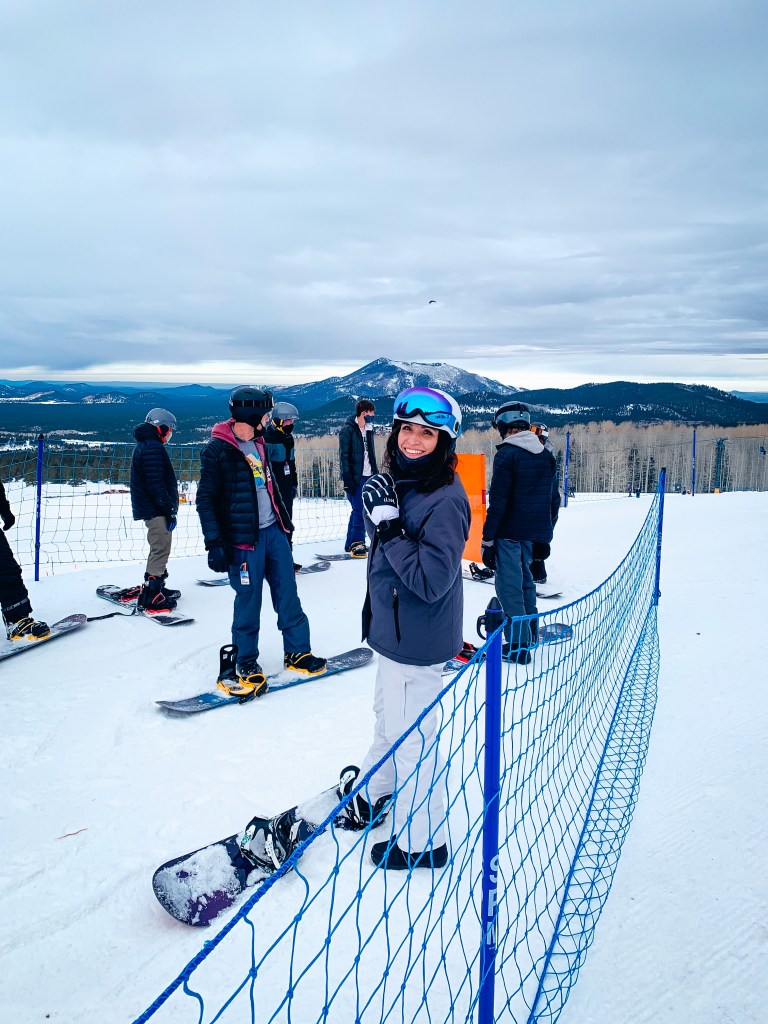
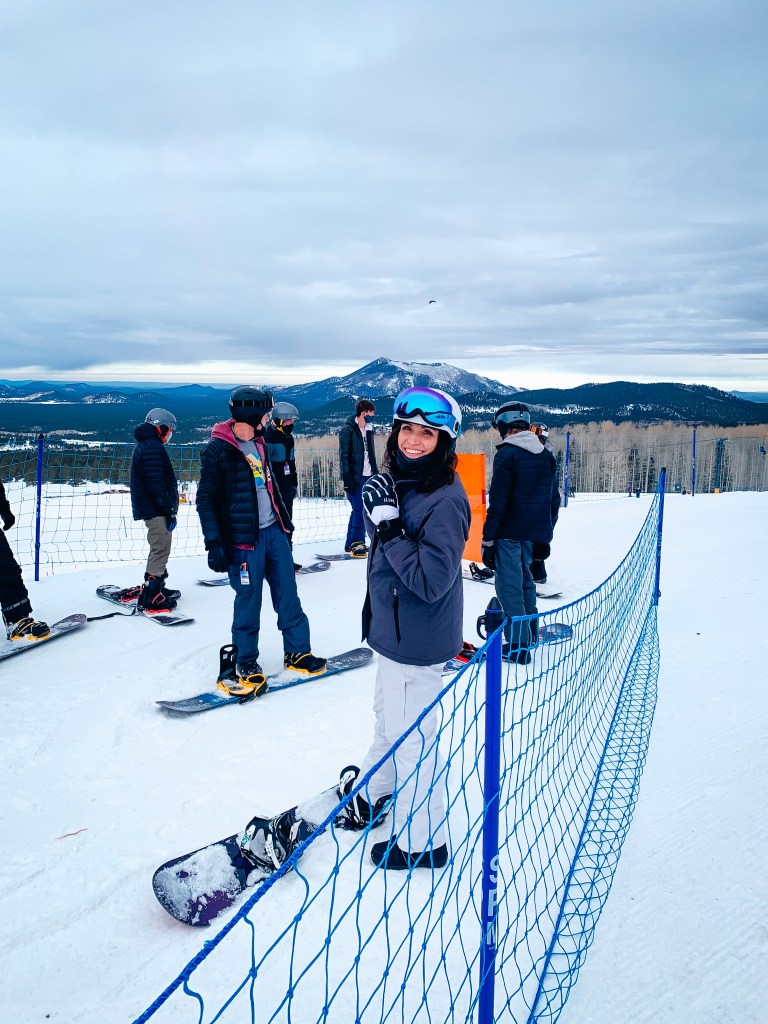
    About five years ago, I was living in the blazing Arizona heat and desperately needed an escape. So I did something I never thought I would do—I asked my husband to take me to Flagstaff and teach me how to snowboard at Snowbowl.

    Now, you need to understand something: I was petrified of snow sports. When I was a child, my mom took me to the funeral of one of her cousins who had died in a skiing accident. I don’t remember all the details—just the feeling. That fear stuck with me for decades. Up until five years ago, you wouldn’t have caught me dead on a mountain.

    I think my request shocked my husband. He loves snowboarding.

    We decided to plan the trip around our anniversary and make it a big weekend getaway. To be honest, my husband gave me so many pep-talks. He was even reminding me to breath.  I didn’t just want to get down the mountain—I wanted off the mountain.

    Being the smart man that he is, he signed me up for a snowboarding class. He knew if he tried to teach me himself, it would go horribly wrong—and he wanted to preserve our marriage, especially on our anniversary.

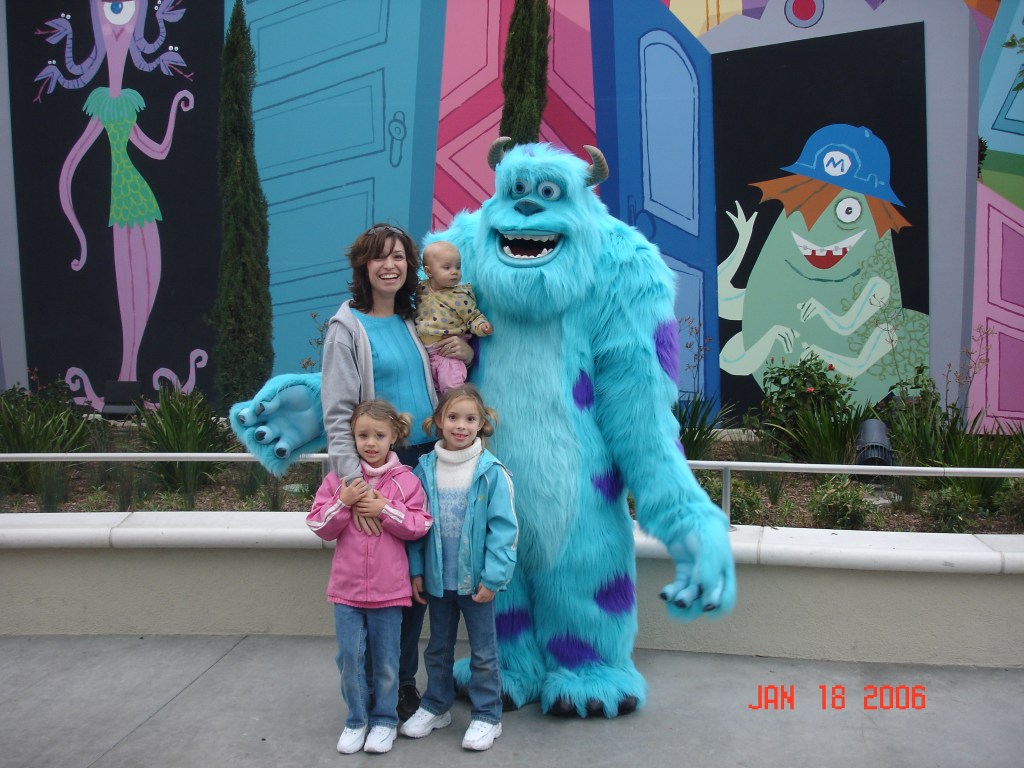
    family photo of author

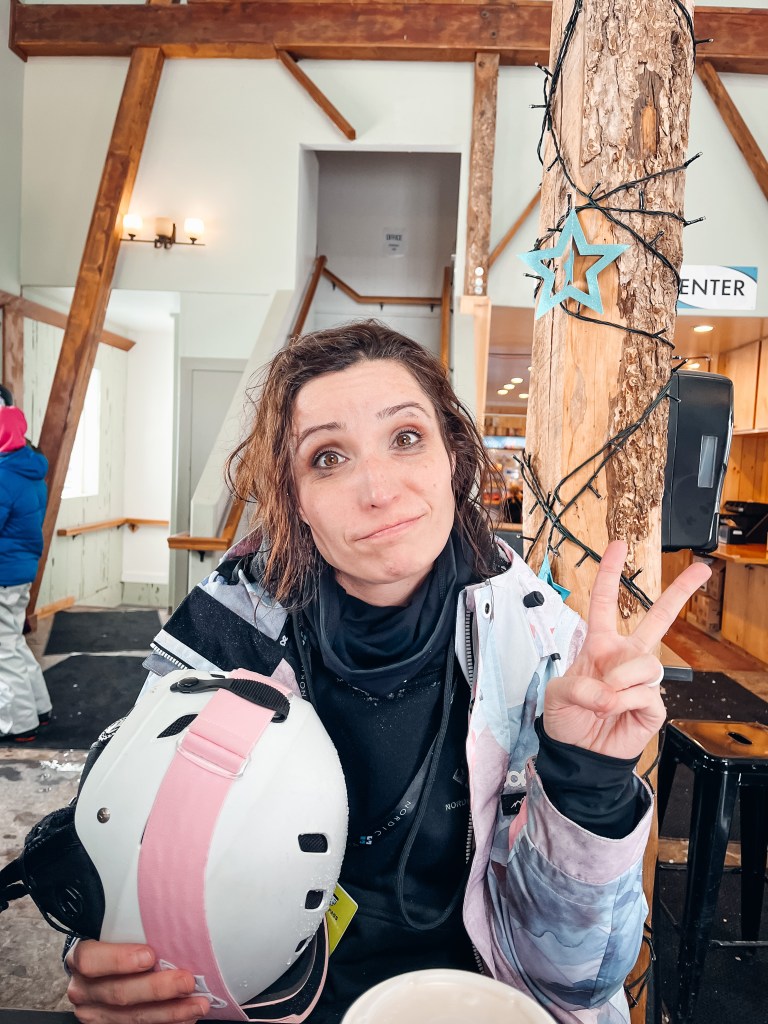
    After two hours of class, I could barely make it down the beginner hill. My wrists were sore, my backside hurt, and my confidence was shaken. We grabbed a hot chocolate, and I sat in a chair next to a warm fire overlooking the mountain, watching my husband effortlessly cruise down the slopes.

    It was magical!

    What did I learn from that trip?
    First, I was a terrible snowboarder.
    Second—and far more important—I had an incredible amount of fun. I felt proud of myself for trying something so far outside my comfort zone. We immediately booked another weekend to try skiing.

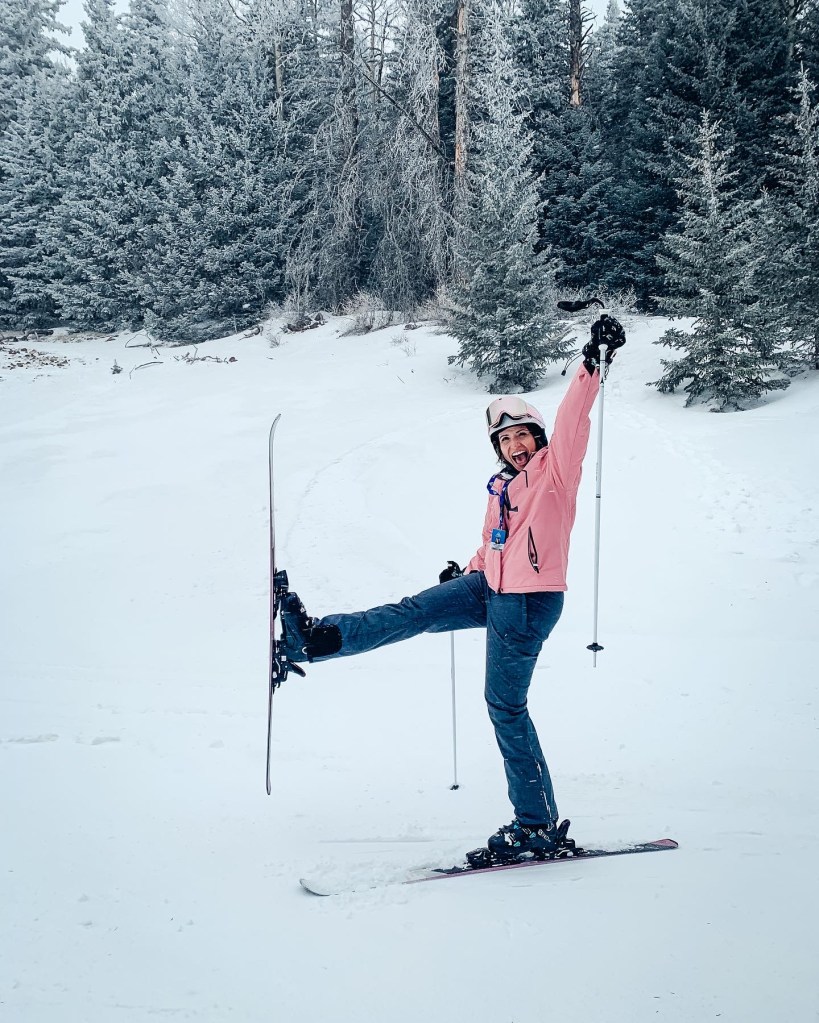
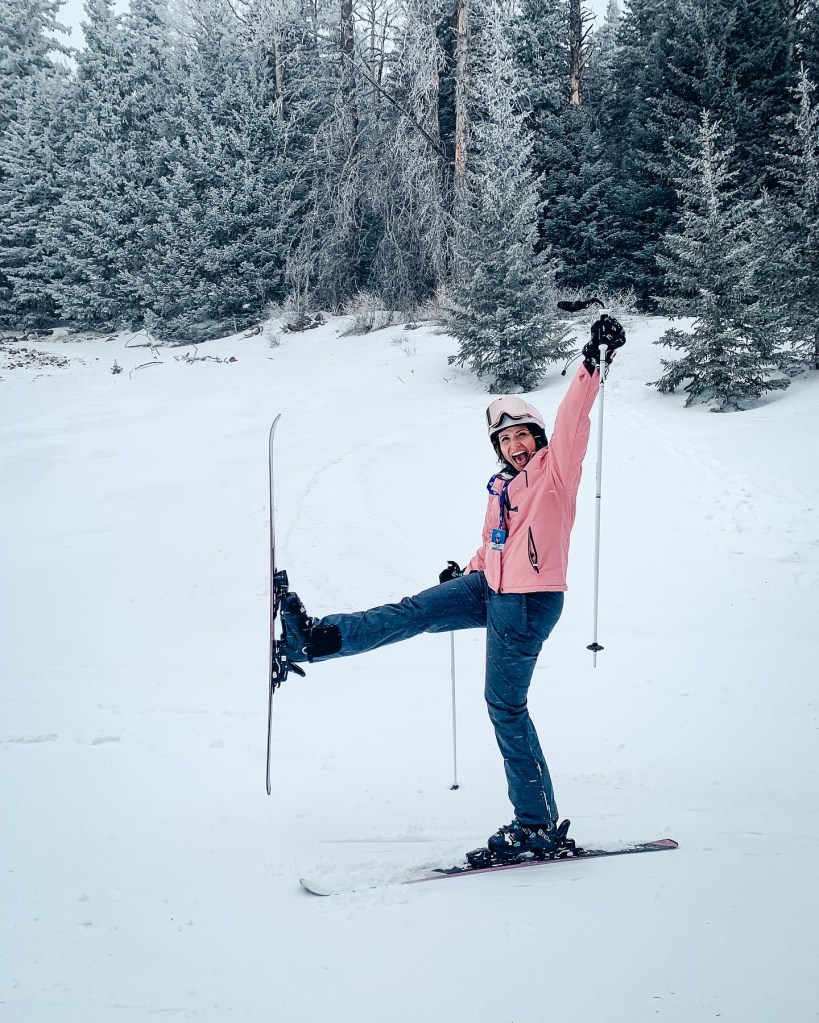
    That trip went much better than snowboarding. I was one of the oldest people in the “learn to ski” class, but my instructor told me I picked it up faster than anyone he had ever taught. (Yes, he absolutely got a tip.)

    family photo of Author

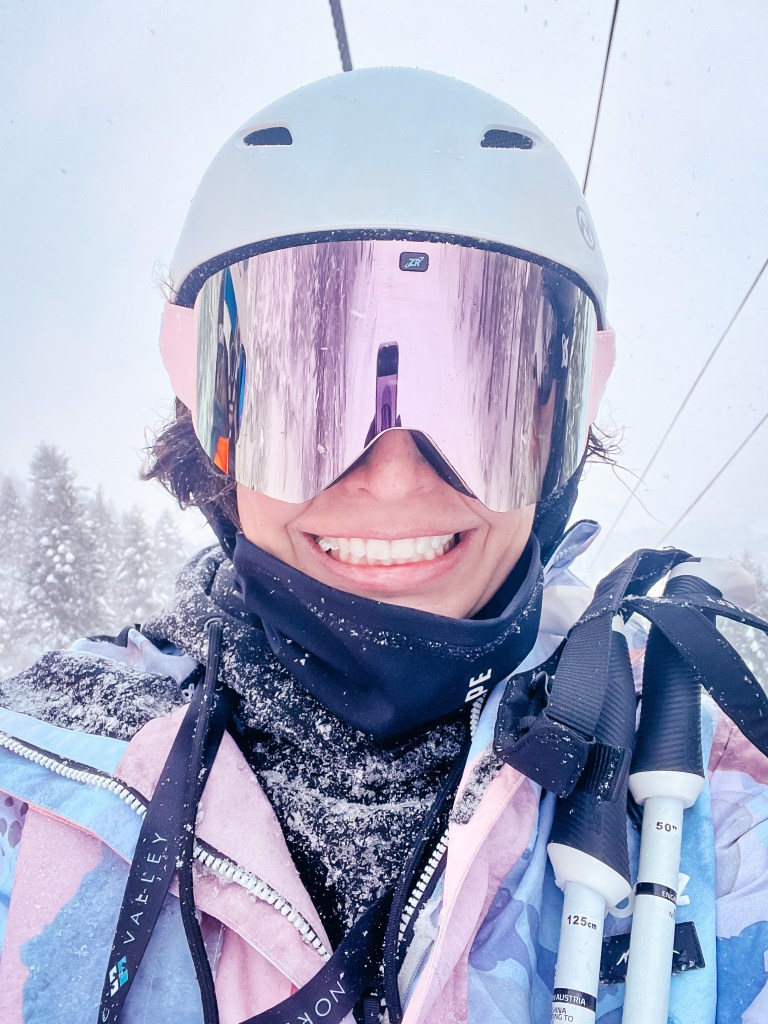
    Now I get on the mountain whenever I can. I’ve taken all my kids to ski school, and I even requested that same instructor—he really was fabulous. Skiing has become something we can all enjoy together as a family. The fear is still there, but now it’s managed instead of controlling me.

    What I learned is this: stepping out of your comfort zone drives personal growth, builds confidence, and opens the door to passions you never expected. Discomfort doesn’t mean danger—it often means growth. When we face fear in small, intentional ways, it becomes something we can carry instead of something that carries us.

    So, the next time you think “I’ll never do that!” Never say never, you just might like it!

    No comments on There Is No Growth in Comfort
  • “When upon life’s billows, you are tempest-toss’d,
    When you are discouraged, thinking all is lost,
    Count your many blessings, name them one by one,
    And it will surprise you what the Lord hath done.”

    A hymn written by Johnson Oatman Jr.

    Johnson Oatman Jr. wrote nearly 5,000 hymns, yet none is more widely known than Count Your Blessings, which has been printed in more than 230 hymnals. There is a reason this hymn has endured. Its message has become a lifeline—one that has carried me through some of the hardest seasons of my life.

    I grew up in a very religious home, and my testimony of my Heavenly Father and Savior, Jesus Christ, is something I have always leaned on. Still, there came a time when I questioned even my own faith. I was struggling with postpartum depression that escalated into severe, overwhelming depression. It was a dark time. I wondered if God could hear my prayers. I wondered if He cared.

    One of the most important lessons I learned during that time is that God doesn’t scream or shout. He doesn’t create large commotions to get our attention. God speaks in small and simple ways—and it is our responsibility to learn how to hear Him.

    One day, I sat in my closet praying, crying, and asking God, “Are you there? Can you hear me? Do you even care that I am struggling so badly?” I sat there sobbing, desperate for an answer. Then a quiet thought came into my mind: “I’m not the one who isn’t listening.”

    I sat in stunned silence, trying to make sense of what I had just felt. Almost immediately, another verse from that same hymn came to mind:

    “Are you ever burdened with a load of care?
    Does the cross seem heavy you are called to bear?
    Count your many blessings; every doubt will fly,
    And you will be singing as the days goes by.”

    Whether you are religious or not, finding joy in the small, ordinary moments of life can spark a moment of happiness and cultivate a sense of well-being. Religion often calls these moments blessings, while Deb Dana a Licensed Clinical Social Worker, through her Polyvagal Theory, refers to them as “glimmers.”

    So, what are blessings—or glimmers? They can be anything that brings even a flicker of joy: a friendly smile, the smell of a warm summer pine tree, or the look your dog gives you when he wants to cuddle. Dana explains that glimmers happen all the time, but because they are so small, we must slow down, notice, and intentionally look for them.

    I have found that seeking out at least three glimmers each day—things that bring joy, hope, happiness, or even just a sense of peace—changes the way my mind and heart respond to life. It reminds me not only that my Heavenly Father loves me and cares deeply for me, but that He has created a kind of sacred treasure hunt, filling my days with unlimited glimmers if I am willing to notice them.

    No comments on Counting Blessings and Finding Glimmers
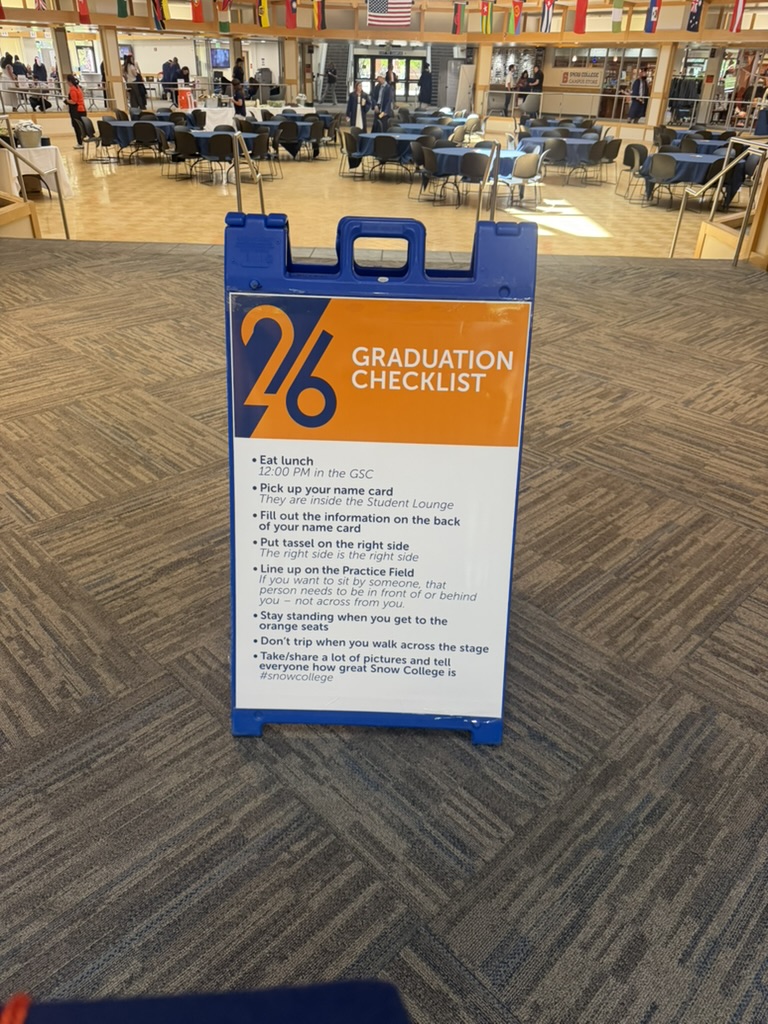
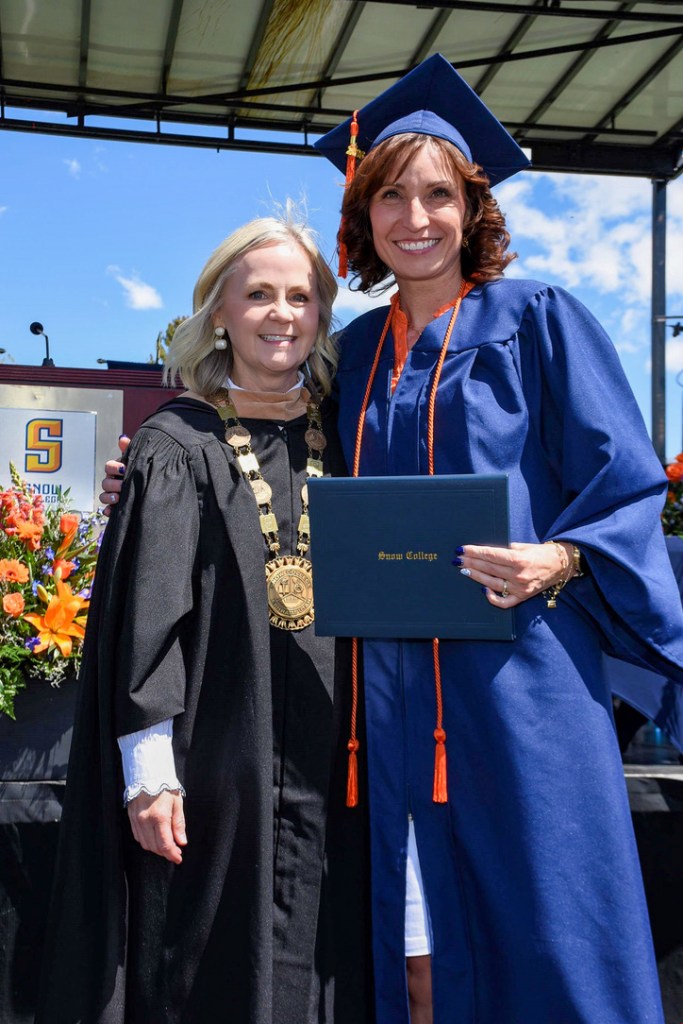
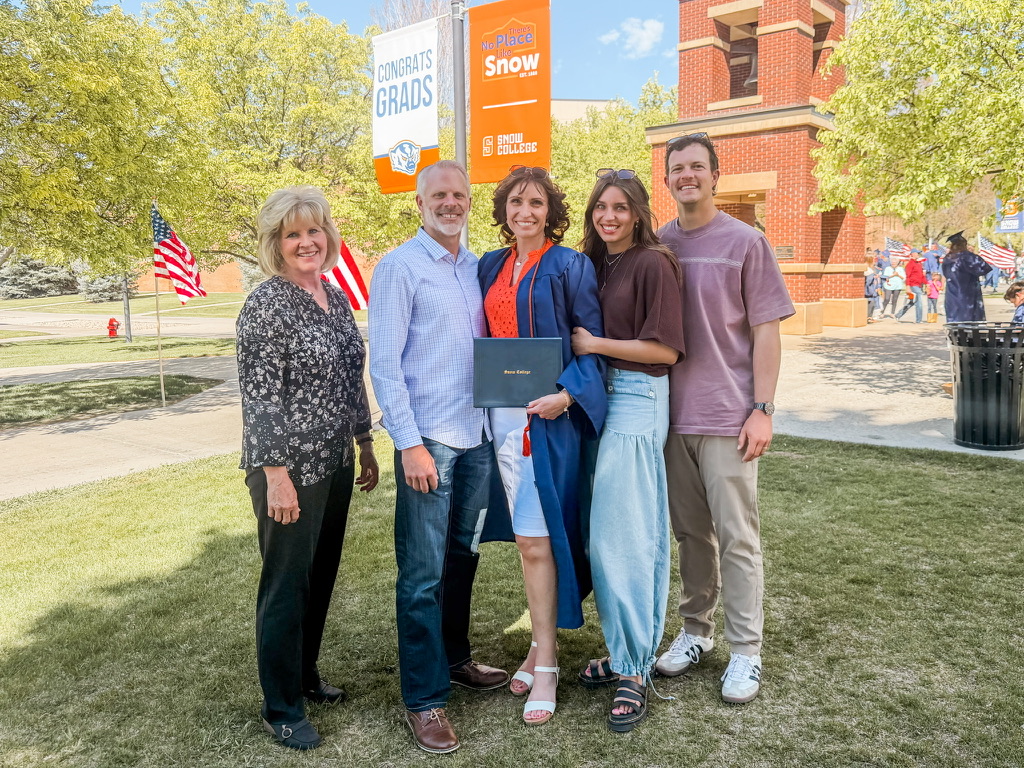
  • Twenty-seven years ago, I walked onto the campus of Snow College in Ephraim, Utah, feeling completely on top of the world. I had moved from my very small hometown of Ferron to what felt like a bustling college town. Now, if you’ve ever been to Snow College, you might laugh at the word bustling, but for me, there was a lot going on. They were even putting in a stoplight—not to be confused with the red and green lights we only used at Christmas time.

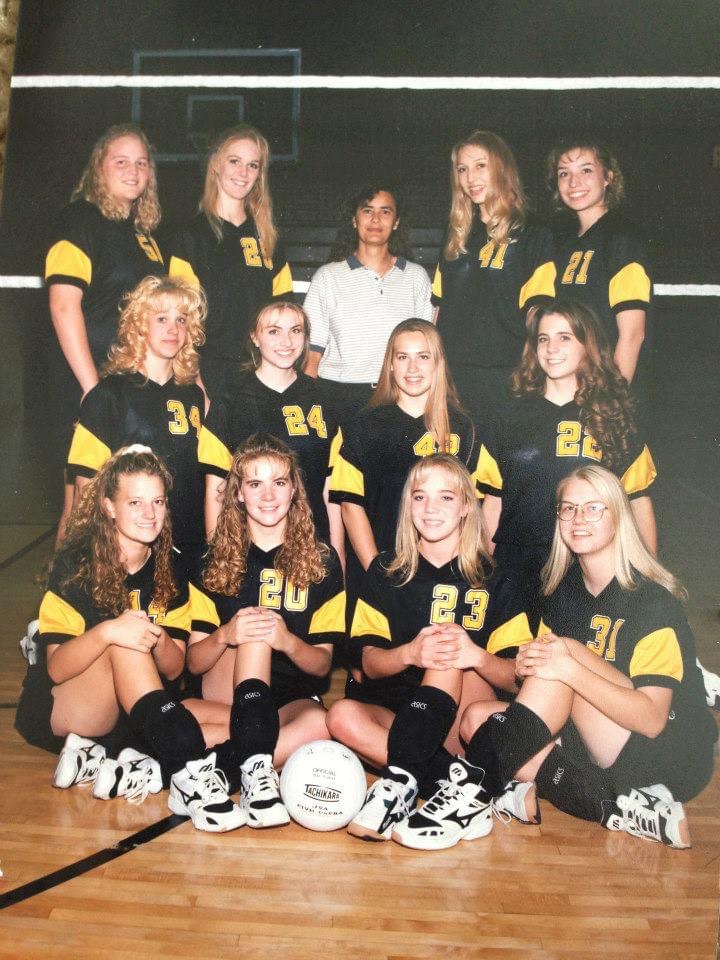
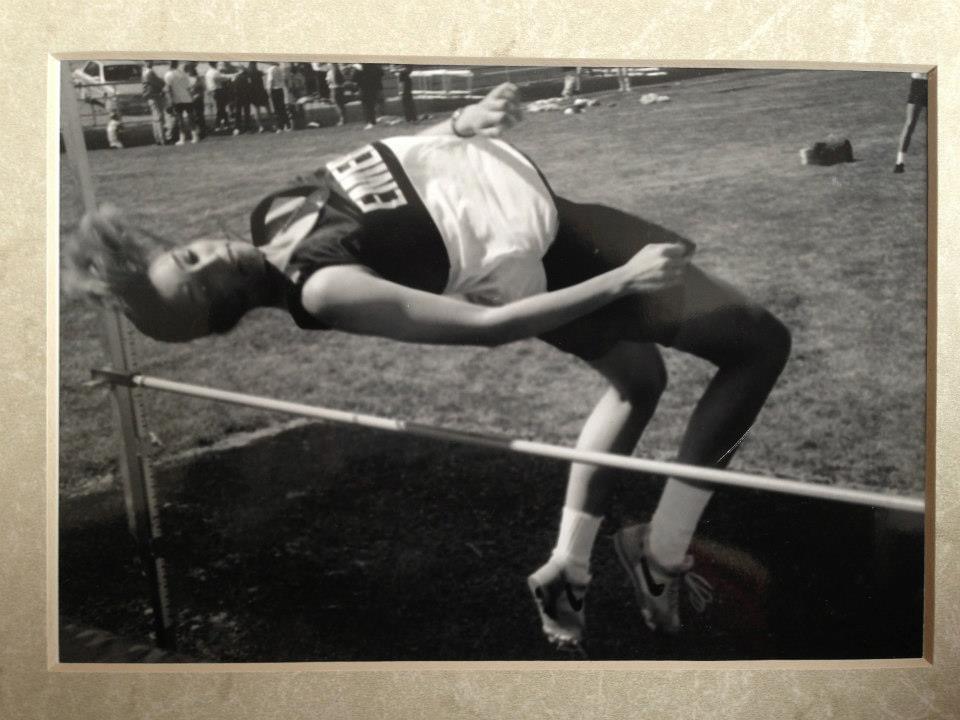
    At that point in my life, I was confident and didn’t carry many insecurities. By the time I graduated high school, I had been on the volleyball team where we won the state championship. I also ran track and placed second in region in the high jump, qualifying for state every year. I volunteered regularly in my community, helping with Jr. Jazz basketball camps and working closely with my church. Because I grew up in a small town, I knew a lot of people and had many friends.
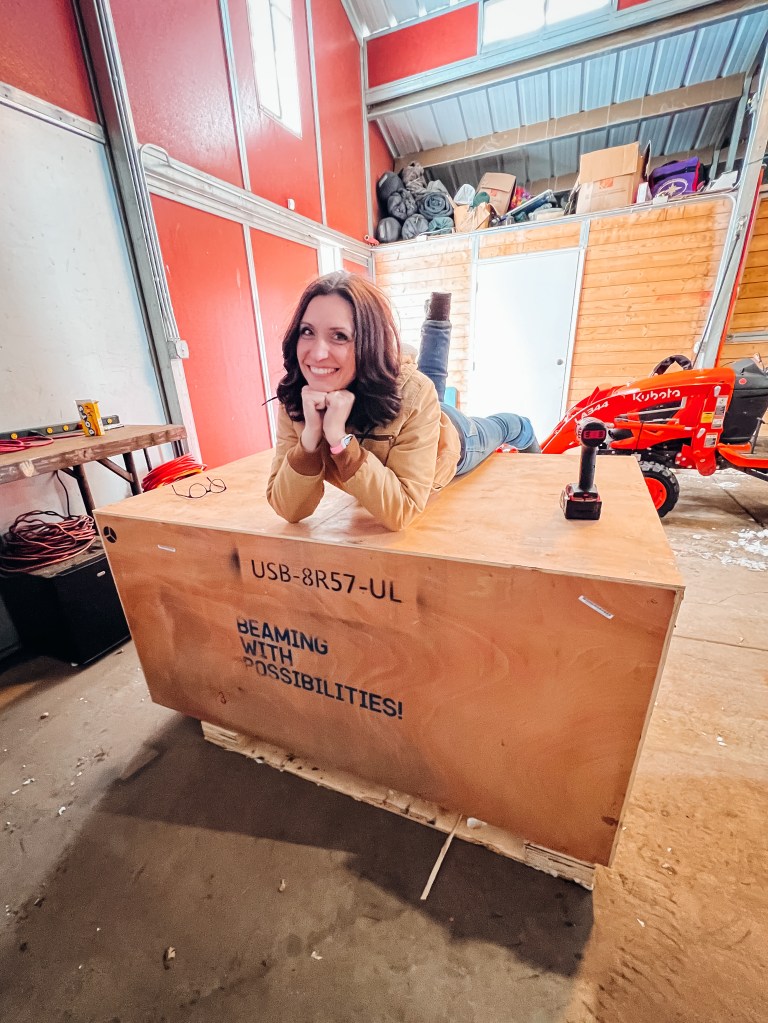
    This was an exciting time for me. I was nervous, but the excitement felt like being a little kid on Christmas morning, wide awake and waiting to see what Santa had brought.

    Fast forward seven years.

    I’m now packing my bags—with three kids—and moving to California for my husband’s new job. I went from cruising down dirt roads without a soul in sight to sitting in traffic on a seven-lane freeway. To get anywhere, I had to take two freeways and play leapfrog across lanes just to reach the nearest Walmart, only five miles away.

    That carefree girl I once knew—the one ready to take on the world—was nowhere to be found. In her place was a very insecure version of me, one who liked to hide from the world, sometimes literally in the back of her closet on the worst days. If I needed to go out, I’d give myself an hour-long pep talk, repeating, “YOU CAN DO THIS!” and not really believing it.

    This was where I lost sight of who I was.

    I felt alone—that gut-wrenching feeling of not being good enough, all tangled up with fear, sadness, and insecurity. I didn’t fit in. I wasn’t raised in a city; my way of life and my culture were completely different from what I was now facing. My family lived states away, my husband worked long hours at an intense job, and I had no one to turn to.

    No one around me was like me.

    Living on the border of Orange County, I became painfully aware that I didn’t look the part. My Wrangler jeans and Walmart sneakers didn’t exactly blend in with dress pants and stilettos—the outfits moms wore to pick up their kids from kindergarten. This was where I unknowingly met imposter syndrome.

    To be honest, I wouldn’t hear that term until years later, when my daughter told me she had imposter syndrome. I had to Google it because I’d never heard of it before. Growing up, we just called it self-doubt and insecurity.

    This season of my life taught me one of the most important lessons I’ve ever learned—and one I’m still learning. It’s not something you master or perfect. It’s something you practice.

    Being you is the best thing you can be—whatever that looks like.

    It’s also something I try to teach my girls.

    One day, one of my daughters told me she was going to a bonfire with friends. At the time, we were living in Arizona in a smaller community. There was a big open field where people gathered, built bonfires, and did some country dancing. I grew up in that kind of environment, so it felt familiar to me.

    I suggested she wear cowboy boots and throw on a flannel jacket. I had plenty of both in my closet. Her response surprised me.

    “I can’t,” she said. “I’d have imposter syndrome.”

    She had grown up in California and Phoenix—more city culture—and this country-style activity felt foreign to her. I understood where she was coming from, but I also realized something important: no one is an expert at anything without starting somewhere.

    If you have an interest or a desire to try something new, don’t stand on the sidelines. Don’t let it pass you by because you’re worried about what someone else might think—or worse, what that small, insecure voice in your head tells you about who you’re allowed to be.

    If you want to go to a country bonfire and you love the country look, be country.
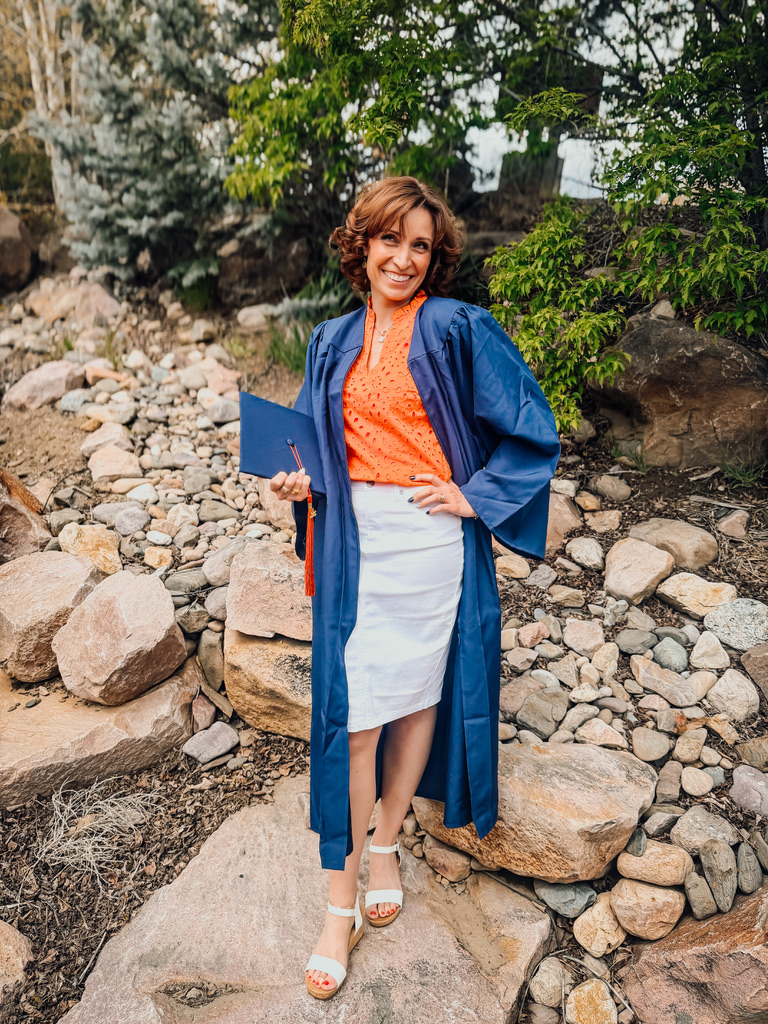
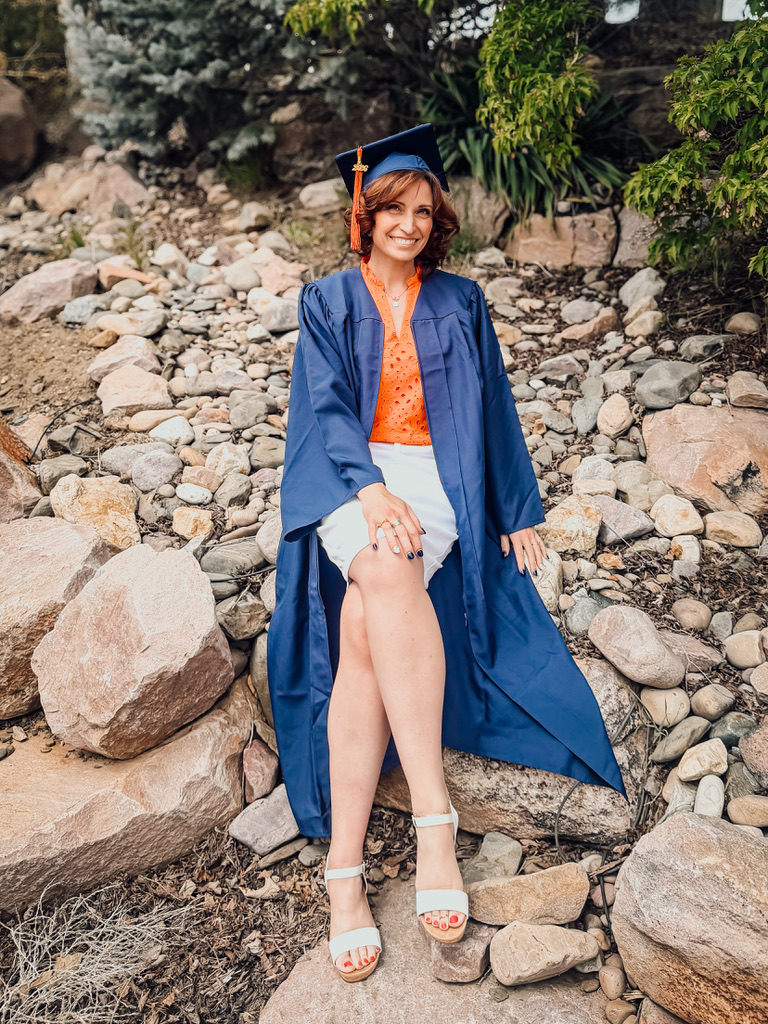
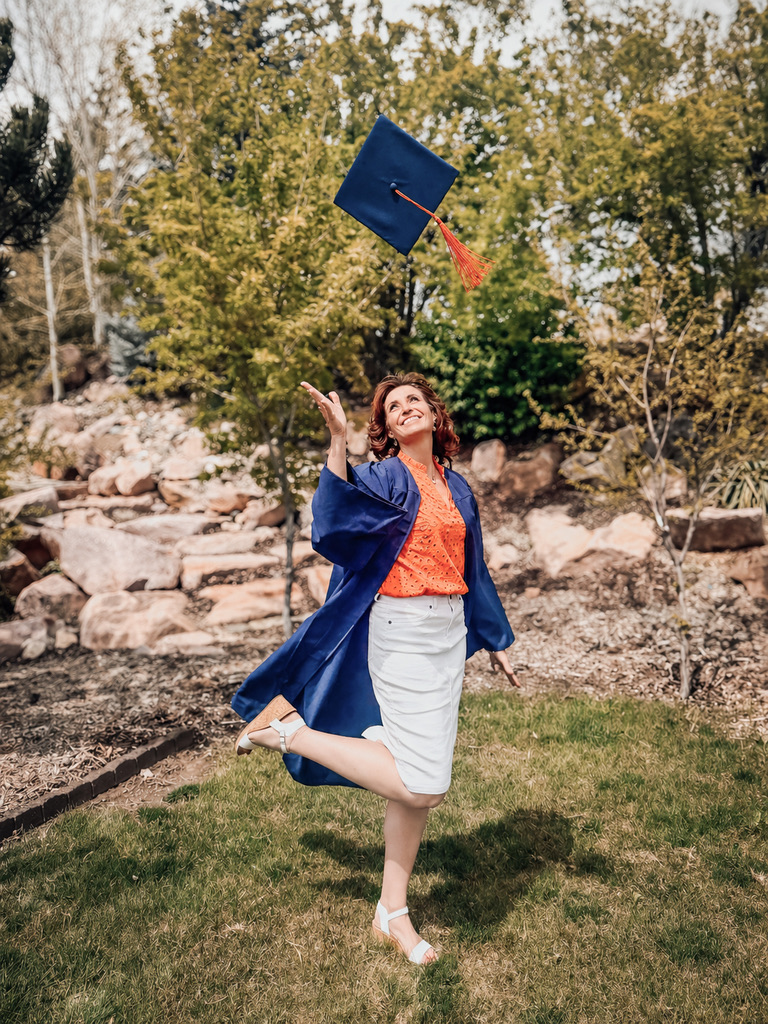
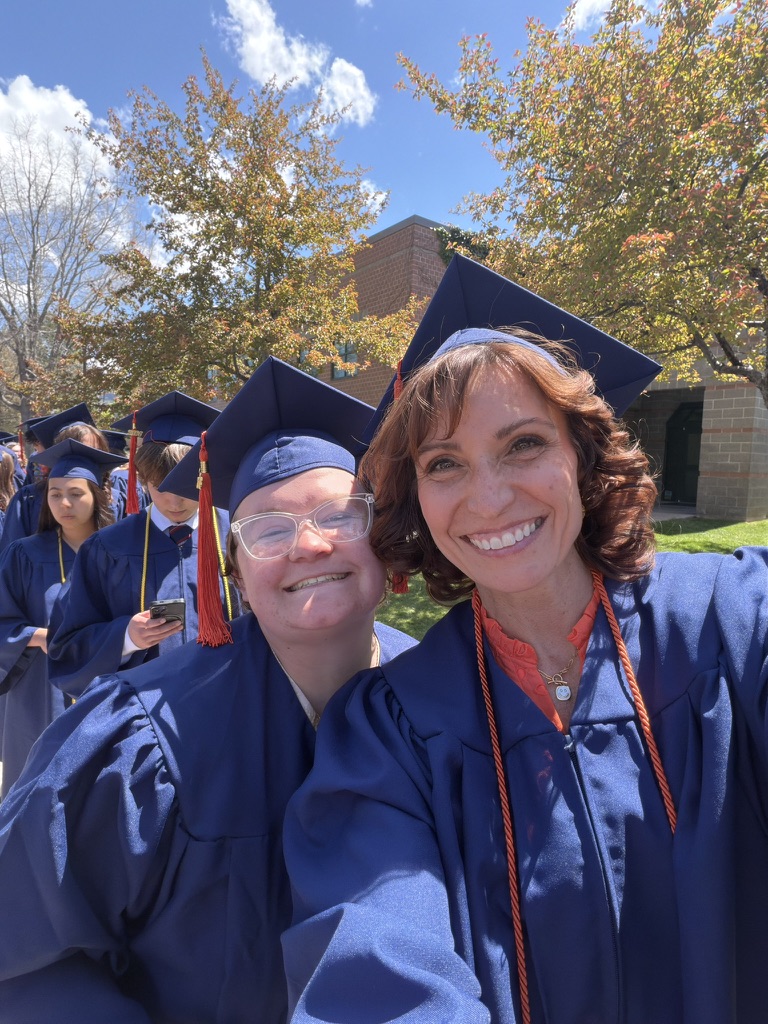
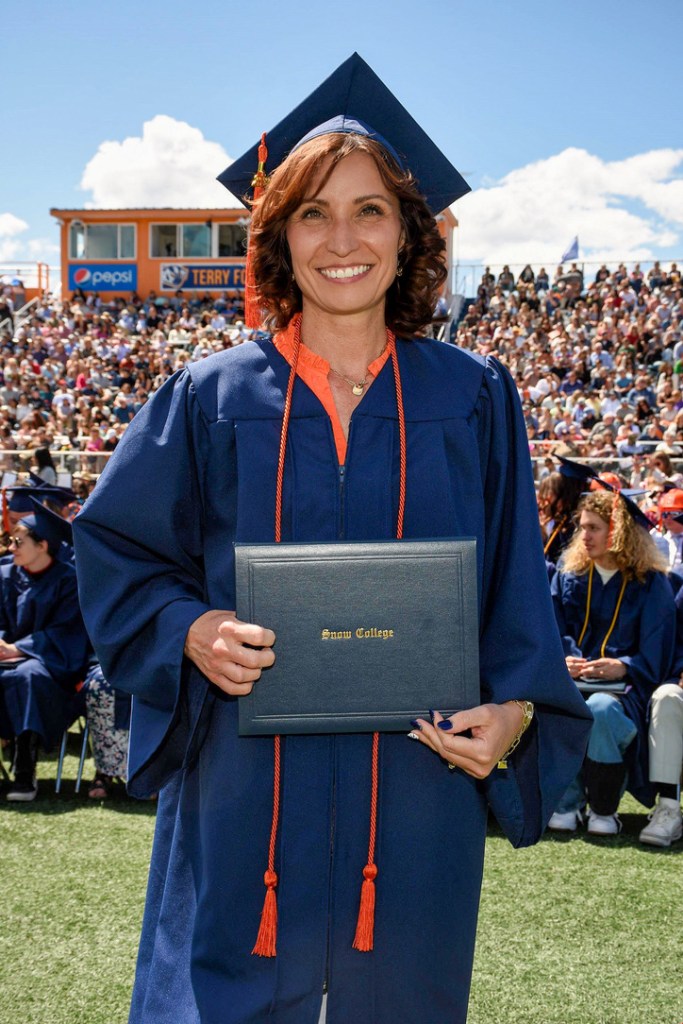
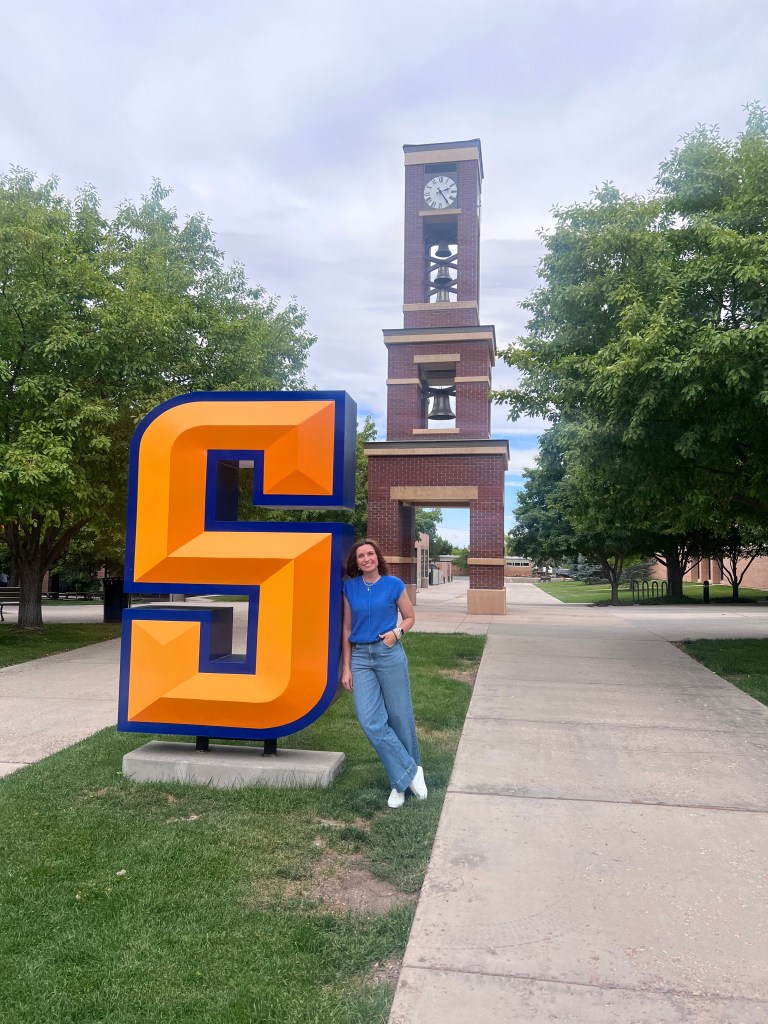
    If you want to go back to school at forty-seven, be a student.
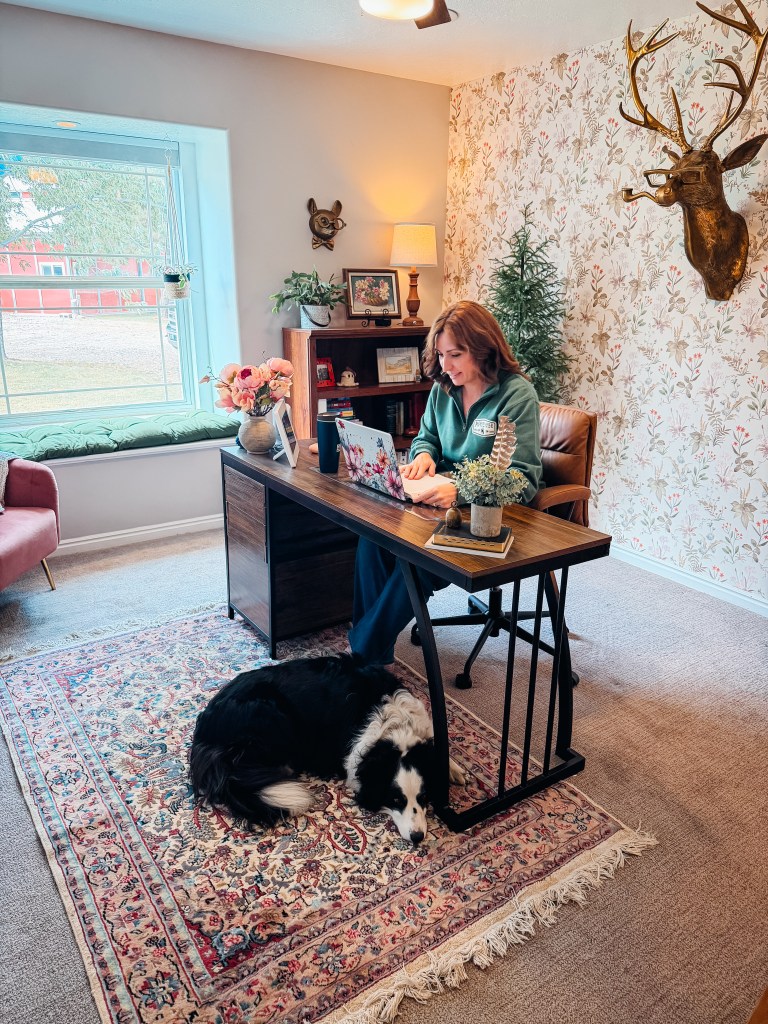
    If you take a communication class that asks you to keep a blog and find yourself—become a blogger.

    Don’t let the fear of finding yourself define who you are.

    You should always be looking for your next adventure—and when you find it, jump in. Learn about it. Experience it. Try it on and see if it fits. I never would’ve known how much I love wearing Lululemon leggings if I had let the imposter syndrome of “I can’t do that—I don’t do yoga or have the right body” decide that part of me.

    My best advice for anyone who asks?

    Fake it until you make it—if it’s something you want.

    Because in the end, the only person who truly cares if you belong…
    is you.

    And maybe one day, you’ll look back and realize you weren’t faking it at all—you were just learning who you are.

    No comments on Fake It Until You Make It, Find Out Who You Are.
  • Hello!

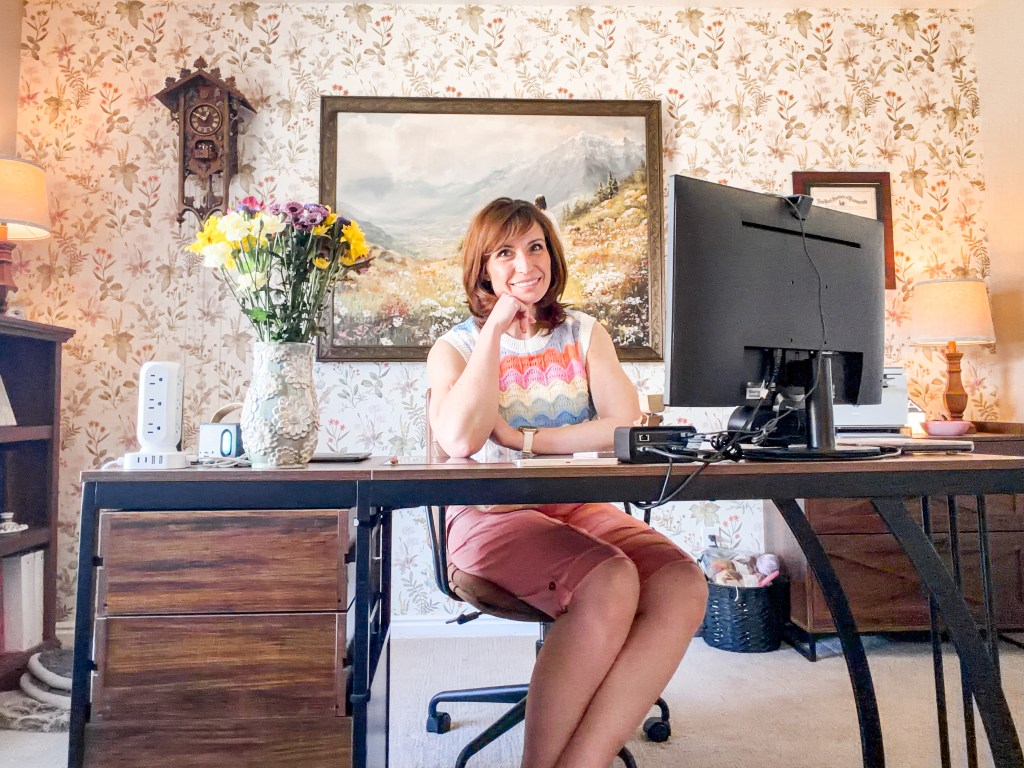
    My name is Tuesdee and welcome to my blog! When I was a kid and people would ask me, “What do you want to be when you grow up?” It was always the same answer, “I want to be a stay-at-home mom in my hometown.” I never thought it would end up the way it has…

    Dr. Seuss wrote, “The more that you read, the more things you will know. The more that you learn, the more places you’ll go.”  I feel like my life has been a choose your own adventure story and because of that I have learned so many different things. This blog is my journey into writing these things down. I want to be able to share what I have learned and continue to learn. The importance of trying new things or holding tight to what matters most, and when things aren’t going the way you planned, turn it into an adventure and see where you go next.

    I grew up having small town dreams which turned into big city adventures. My fears of change and the unknown turned into being brave and trying things out of my comfort zone. I’ve learned new skills, I have found new loves, and I have been finding myself along this journey.

    I’m hoping that if you read this blog maybe I can help you learn something or give you the courage to step outside your comfort zone and try something different. Maybe we will take the time to experience something new together, or learn to just be ok with who we are.

    “Today you are You, that is truer than true. There is no one alive who is Youer than You.” -Dr. Seuss

    As I continue to find myself with this blog, I hope my life lessons and experiences can help you take the time to think and discover who you really are. In a world full of influencers I hope we can find the desire to be ourselves. To quote Ralph Waldo Emerson, “To be yourself in a world that is constantly trying to make you something else is the greatest achievement.” 

    No comments on Hello!

I’m Tuesdee

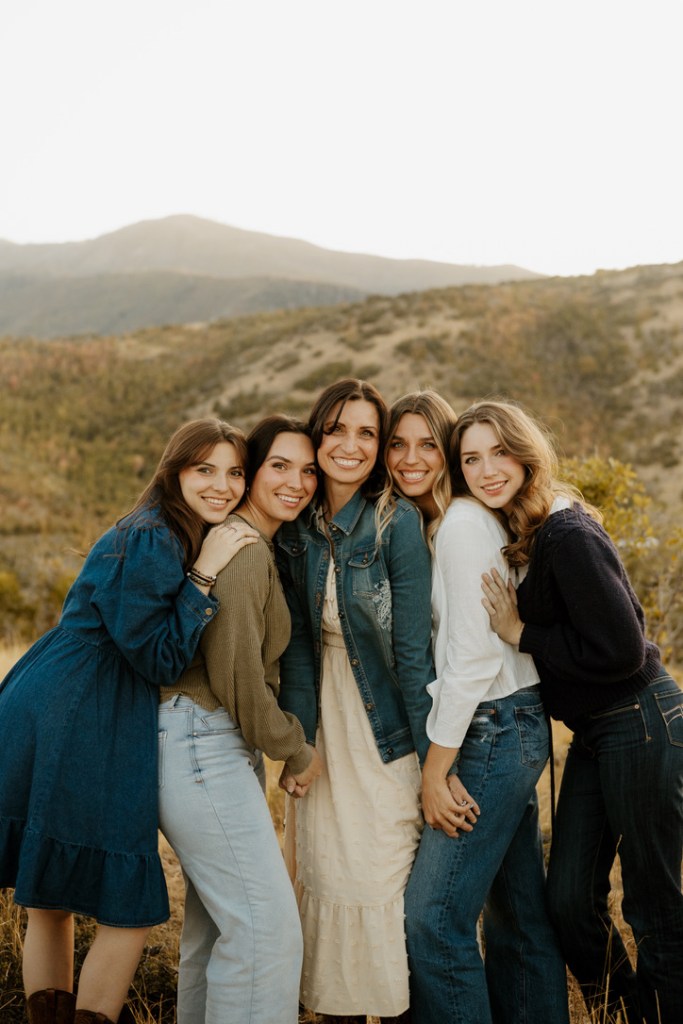
A stay-at-home mother of four daughters whose journey has come full circle. Growing up in a small town, she left school and moved to the city, and has since returned to both her roots and her education—eager to share the life experiences and lessons that shaped her.

Let’s connect